The Importance of a Consistent Mowing Schedule in Spring

The Importance of a Consistent Mowing Schedule in Spring

May in Madison is when lawns really take off. Warmer temperatures, longer days, and regular rain create the perfect conditions for rapid grass growth. It might feel like your lawn needs mowing every other day, and honestly, it kind of does. This is exactly why a consistent mowing schedule matters more now than at any other point in the season.

Staying on top of mowing in spring is not just about keeping your yard looking nice. It plays a big role in the overall health and long-term appearance of your lawn.

Healthy Growth Starts with Consistency

Grass grows quickly in May, and when it gets too long between cuts, it can become stressed. Cutting too much off at once shocks the plant and weakens the root system. This can lead to thin, uneven growth and make your lawn more vulnerable to weeds and disease.

A consistent mowing schedule keeps growth steady. Instead of drastic cuts, your lawn gets small, regular trims that encourage it to grow thicker and stronger over time.

The One-Third Rule Matters

A good rule to follow is to never remove more than one-third of the grass blade at a time. When you skip a week or two during peak growth, it is easy to break this rule without even realizing it.

Keeping a regular mowing routine helps you stay within that guideline naturally. Your lawn stays at a healthy height, usually around 2.5 to 3 inches, which helps shade the soil, retain moisture, and support deeper roots.

A Cleaner, More Even Look

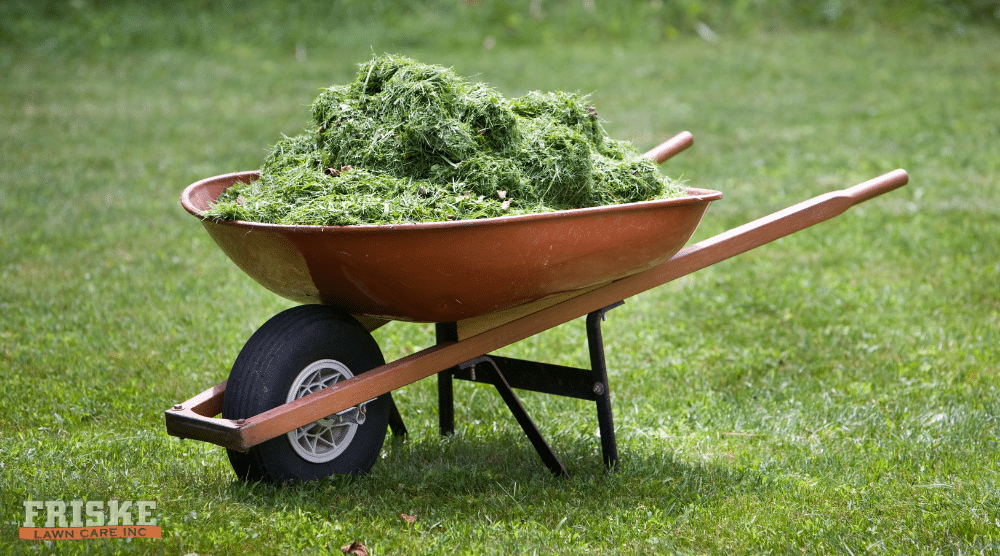
We have all seen it. A lawn that has been left too long starts to look uneven, with clumps of cut grass left behind after mowing. It can quickly go from green and tidy to patchy and messy.

Frequent mowing keeps your lawn looking clean and uniform. It also prevents clumping, which can block sunlight and create damp spots that lead to disease.

Less Stress on Your Lawn and Your Equipment

Long, overgrown grass is harder to cut. It puts extra strain on your mower and often results in a less precise cut. This can leave jagged edges on the grass blades, making them more susceptible to damage.

Regular mowing keeps things manageable. Your mower works more efficiently, and your lawn gets a cleaner, healthier cut every time.

Stay Ahead of Weeds

A thick, well-maintained lawn is one of the best defenses against weeds. When grass is cut regularly and kept at the proper height, it crowds out weeds by limiting their access to sunlight and space.

Skipping mowing allows weeds to sneak in and take hold, especially during peak growing conditions in May.

Timing Around Madison Weather

Spring weather in Madison can be unpredictable. One week is warm and sunny, the next brings rain and cooler temperatures. This can make it tricky to stay on schedule.

Try to mow when the lawn is dry to avoid tearing the grass or creating ruts in soft soil. Even with changing weather, sticking as close as possible to a routine will keep your lawn in better shape than waiting until it looks overgrown.

Let Friske Lawn Care Handle It for You

Keeping up with mowing in May can feel like a full-time job. If you would rather spend your time enjoying the warmer weather instead of chasing your lawn around every week, Friske Lawn Care is here to help.

Our mowing maintenance service keeps your lawn looking clean, healthy, and well cared for all season long. Contact us today to get on the schedule and take lawn care off your to-do list.

Why Spring Cleanup Sets the Tone for Your Entire Lawn Season

Why Spring Cleanup Sets the Tone for Your Entire Lawn Season

Spring in Madison always feels like a fresh start. The snow melts, the days get longer, and your yard slowly comes back to life. But before your lawn can really take off, there’s one step that makes all the difference: spring cleanup.

After a long Wisconsin winter, your yard is likely covered in leftover leaves, sticks, and debris. It might not seem like a big deal at first, but what you do with that mess now can shape how your lawn looks and performs for the entire season.

Clear the Way for New Growth

Your grass needs sunlight, air, and space to grow. When leaves and debris sit on top of your lawn, they block sunlight and trap moisture underneath. This can slow down growth and even create the perfect environment for mold or disease.

A thorough spring cleanup removes that barrier and gives your lawn the chance to breathe. Once everything is cleared away, you’ll start to see more even greening and healthier growth across your yard.

Prevent Bigger Problems Later

It’s easy to think you can deal with cleanup later, but waiting often makes things worse. Wet leaves and leftover debris can become compacted, especially with all the freeze and thaw cycles we get in Madison. That compaction can lead to bare spots, thinning grass, and drainage issues as the season goes on.

Getting ahead of it early helps prevent those problems before they start, saving you time and effort later in the spring and summer.

Protect Your Lawn from Damage

Early spring lawns are delicate. The ground is often still soft, and grass is just starting to come out of dormancy. Cleaning up at the right time, when the lawn is no longer soggy, helps avoid unnecessary damage.

Once conditions are right, removing sticks, branches, and built-up debris helps protect your mower and keeps your lawn surface smooth and safe for regular maintenance.

Set Yourself Up for a Better Mowing Season

A clean lawn is much easier to maintain. When your yard is free of clutter, your first mow of the season will be smoother, more even, and less stressful on your grass.

It also helps you stay on a consistent mowing schedule. Instead of constantly working around leftover debris or uneven patches, you can focus on keeping your lawn looking neat and healthy week after week.

Improve Overall Curb Appeal

There’s something satisfying about a freshly cleaned yard. Even before your grass fully greens up, removing winter debris instantly makes your property look more cared for and put together.

Whether you’re hosting friends, enjoying time outside, or just pulling into your driveway after work, a clean lawn makes a big difference in how your home feels.

Timing Matters More Than You Think

In Madison, spring weather can be unpredictable. One week feels like spring, the next brings freezing temperatures or rain. The key is to wait until your lawn has dried out enough to handle foot traffic, then move quickly.

Too early, and you risk damaging wet turf. Too late, and debris starts to cause problems. Finding that sweet spot is what sets the tone for everything that comes next.

Let Friske Lawn Care Take Care of the Cleanup

Spring is busy, and finding time to tackle yard work isn’t always easy. That’s where Friske Lawn Care comes in. Our team can handle your spring cleanup, removing leaves, sticks, and debris so your lawn is ready for the season ahead.

If you’re ready for a clean slate and a lawn that’s set up to thrive, contact Friske Lawn Care today and let us take one more thing off your to-do list.

Spring Is Almost Here: What Madison Lawns Need During This Back-and-Forth March Weather

Spring Is Almost Here: What Madison Lawns Need During This Back-and-Forth March Weather

The first day of spring is almost here, but in true Wisconsin fashion, Madison’s weather is doing a little bit of everything first. We’ve had some warmer days that made spring feel close, a wintry mix today, and more below-freezing temperatures still in the forecast this week. This time of year can be a little deceiving. Just because the snow is melting and the sun shows up for a day or two doesn’t mean your lawn is fully ready for spring.

Late winter and early spring are a transition period for your yard. The grass is starting to wake up, but the ground is still dealing with freezing and thawing, extra moisture, and unpredictable temperature swings. What you do now can help protect your lawn and set it up for a healthier start when steady spring weather finally arrives.

Don’t Rush the Lawn Too Soon

After a few warm days, it’s tempting to get outside and start cleaning up the yard right away. But if the ground is still soft, soggy, or partially frozen, too much foot traffic can do more harm than good. Walking on wet grass can compact the soil and damage tender turf that is just starting to come out of dormancy.

If your lawn feels squishy underfoot or still has patches of frost in the morning, it’s best to give it a little more time.

Watch for Snow Mold and Matted Grass

When snow melts after a long winter, you may notice flattened grass or patchy areas that look gray, tan, or a little fuzzy. This is often snow mold or simple matting from snow cover. It can look ugly, but it is pretty common in Wisconsin and usually not a reason to panic.

Once the lawn dries out, a gentle rake can help lift matted grass and improve airflow. This gives your yard a better chance to recover as temperatures warm up.

Be Careful with Early Cleanup

Spring cleanup is important, but timing matters. Leaves, sticks, and other debris should be removed once the lawn has dried out enough to handle some light work. Cleaning up too early while everything is still wet can tear up the grass and leave ruts behind.

A good rule of thumb is to wait until the yard no longer feels saturated and the soil is firmer underfoot.

Hold Off on Heavy Lawn Work

Mid-March in Madison is still too early for some lawn projects, especially when freezing nights are sticking around. Big changes in temperature can slow growth and stress the lawn, even if daytime highs feel encouraging.

This is a good time to observe your lawn, note any trouble spots from winter, and start thinking ahead to spring maintenance rather than jumping into everything at once.

Get Ahead on Spring Planning

Even if your lawn is not ready for full spring work just yet, now is the perfect time to plan ahead. Once consistent warmth arrives, schedules fill up quickly. Getting on the calendar early can make the whole season feel a lot easier and less rushed.

Whether your yard needs seasonal cleanup, mowing, or help getting back into shape after winter, a little preparation now goes a long way.

Let Friske Lawn Care Help You Welcome Spring

Spring officially starts Friday, even if the weather has not completely gotten the message yet. If you’re ready to look ahead to greener days, Friske Lawn Care is here to help. We can take care of your lawn maintenance and seasonal cleanup so you can spend less time worrying about the yard and more time enjoying the season ahead. Contact us today to get on the schedule and be ready when spring finally settles in.

What Madison’s Long Cold Snap Means for Your Lawn This Spring

What Madison’s Long Cold Snap Means for Your Lawn This Spring

This winter has been a long one in Madison, with extended cold temperatures, frozen ground, and plenty of snow sticking around. While this kind of weather is pretty typical for Wisconsin, a prolonged cold snap can still influence how your lawn wakes up in spring. Understanding what happens beneath the snow can help you spot normal winter effects versus areas that may need a little extra attention once warmer weather returns.


Frozen Soil and Root Stress

When cold temperatures stick around for weeks at a time, soil freezes deeper than usual. While grass roots are built to survive winter dormancy, prolonged freezing can slow spring green-up and stress shallow root systems, especially in compacted or poorly draining areas.

Once the ground begins to thaw, you may notice uneven growth patterns or delayed greening in certain sections of your yard. This doesn’t necessarily mean the grass is dead, it often just needs time and warmer soil temperatures to bounce back.


Freeze–Thaw Cycles Can Cause Compaction

Madison winters are known for temperature swings, and freeze–thaw cycles can be just as hard on lawns as extreme cold. As the ground freezes and thaws repeatedly, soil can become compacted or even heave slightly, disturbing grass roots.

Compaction limits water, air, and nutrients from reaching the roots, which can make lawns appear thin or stressed in early spring. These areas often show up along walkways, driveways, and spots that see heavy foot traffic during winter.


Snow Cover: Helpful and Harmful

Snow can actually act as insulation for your lawn, protecting grass from extreme temperature drops. However, when snow sits for long periods (especially in shaded areas) it can create ideal conditions for snow mold.

As the snow melts, watch for matted, gray or pink patches of grass. While snow mold looks alarming, it’s usually treatable with proper cleanup and early-season maintenance.


Salt and Snow Removal Damage

Sidewalks, driveways, and street edges often take the biggest hit during a long winter. Salt buildup and repeated snow piling can damage turf, leaving behind brown or bare patches in spring. These areas may need extra attention once the ground thaws, including cleanup and reseeding later in the season.


What to Do as Spring Approaches

As Madison starts to warm up, resist the urge to rush your lawn. Avoid walking on soggy turf, remove leftover debris once conditions allow, and give the grass time to wake up naturally. Early spring cleanup and consistent mowing once growth begins will go a long way in helping your lawn recover from winter stress.


Looking Ahead to the Season

A long winter doesn’t mean a bad lawn season, it just means planning matters more than ever. Paying attention to problem areas early and staying on top of seasonal maintenance can help your lawn recover faster and look better all year long.

Thinking about the year ahead and how you want to spend your time? If you’d rather focus on family, hobbies, and the things you love (instead of lawn chores) Friske Lawn Care is here to help. Let us take care of the lawn maintenance so you can enjoy the seasons stress-free. Contact us today to get on the schedule.

How to Protect Your Lawn During Snow Removal Season

How to Protect Your Lawn During Snow Removal Season

Winter in Madison brings snow, ice, and the constant need to clear driveways and sidewalks. While snow removal is essential for safety, it can take a toll on your lawn if it’s not done carefully. The good news? With a few smart strategies, you can protect your grass now and set it up for a healthier spring.

Here’s how to minimize lawn damage during snow removal season.


1. Know Where the Snow Should Go

One of the biggest causes of winter lawn damage is snow piled repeatedly in the same spot. Large snowbanks can smother grass, delay spring melt, and increase the risk of snow mold.

Tips:

  • Avoid piling snow on the same section of lawn all winter.
  • Rotate snow placement when possible.
  • Keep piles away from shaded or low-lying areas where melting takes longer.

2. Be Careful with Shovels and Plow Blades

Scraping too aggressively can damage turf, especially along driveway edges where grass is already vulnerable.

Tips:

  • Set snowblower and plow blades slightly higher to avoid digging into frozen turf.
  • Use markers along driveway edges to clearly define where pavement ends and grass begins.
  • When shoveling, lift snow instead of pushing it across the lawn.

3. Use Ice Melt Sparingly (and Wisely)

Salt and chemical de-icers can seriously harm grass and soil structure, leading to dead patches and slow recovery in spring.

Safer practices include:

  • Using calcium magnesium acetate (CMA) or pet-friendly ice melts.
  • Applying only what’s needed—more isn’t better.
  • Sweeping up excess salt once ice has melted to prevent runoff into turf.

4. Limit Foot Traffic on Frozen Lawns

Walking across frozen or snow-covered grass may seem harmless, but repeated traffic can compact soil and damage dormant turf.

Tips:

  • Stick to cleared walkways whenever possible.
  • Avoid creating “shortcuts” across the lawn.
  • Redirect pets to consistent paths to prevent repeated wear.

5. Watch for Drainage Issues

Snowmelt can reveal drainage problems that may not be obvious during the growing season. Standing water can suffocate grass and lead to mold or disease.

What to do:

  • Take note of areas where water pools during thaws.
  • Plan to address these spots in spring with grading, aeration, or soil improvement.

6. Prepare Now for Spring Recovery

Winter damage isn’t always avoidable—but planning ahead makes recovery easier.

Use winter downtime to:

  • Schedule spring cleanup services early
  • Plan aeration for compacted areas
  • Identify spots that may need overseeding once temperatures rise

Protect Your Lawn Now for a Better Spring

Snow removal is part of life in Wisconsin, but it doesn’t have to mean sacrificing your lawn. With mindful snow placement, gentle clearing techniques, and smart planning, you can reduce winter damage and give your grass a strong head start come spring.

Thinking about the year ahead and how you want to spend your time? If you’d rather focus on family, hobbies, and the things you love—instead of lawn chores—Friske Lawn Care is here to help. Let our team handle your lawn maintenance so you can enjoy the seasons without the stress. Contact us today to get on the schedule and take one more thing off your to-do list.